“As women, we carry the community, and we also lead the fight for change”
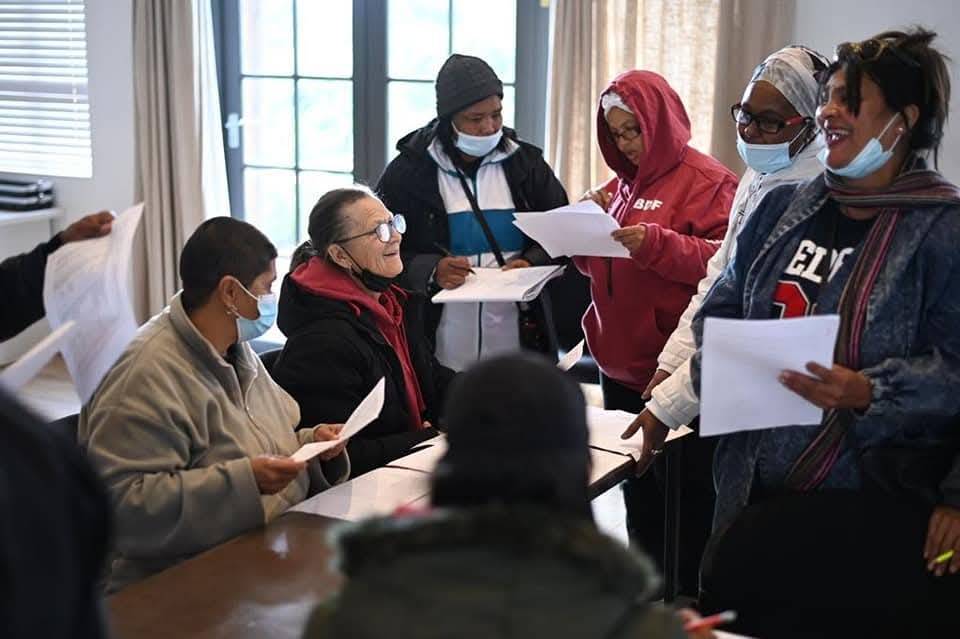
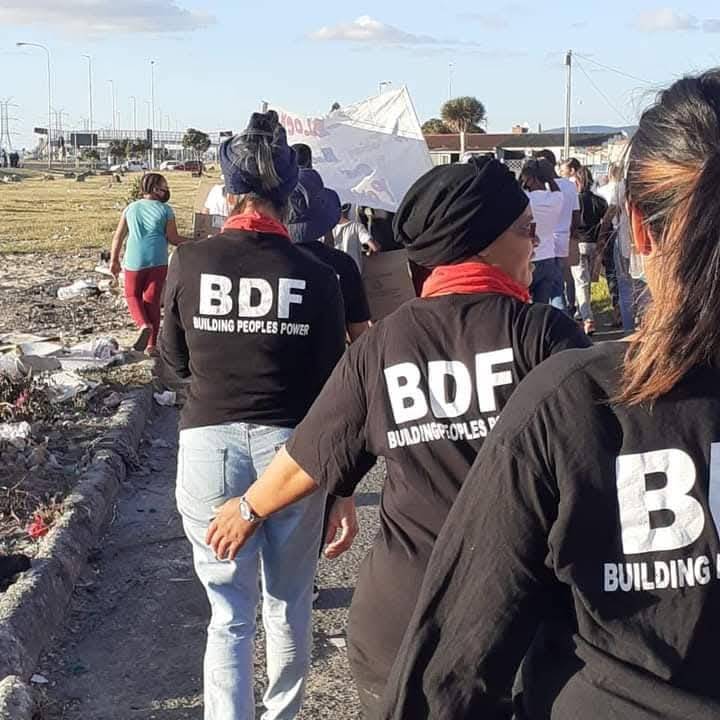
In the Bonteheuwel neighborhood of Cape town in South Africa, Bonteheuwel Development Forum (BDF), a women-led community organization, takes up the social challenges, and answer with community self organization. Interview with Henriette Abrahams, BDF Chairperson, and with Claudine and Salaama, BDF community activists.
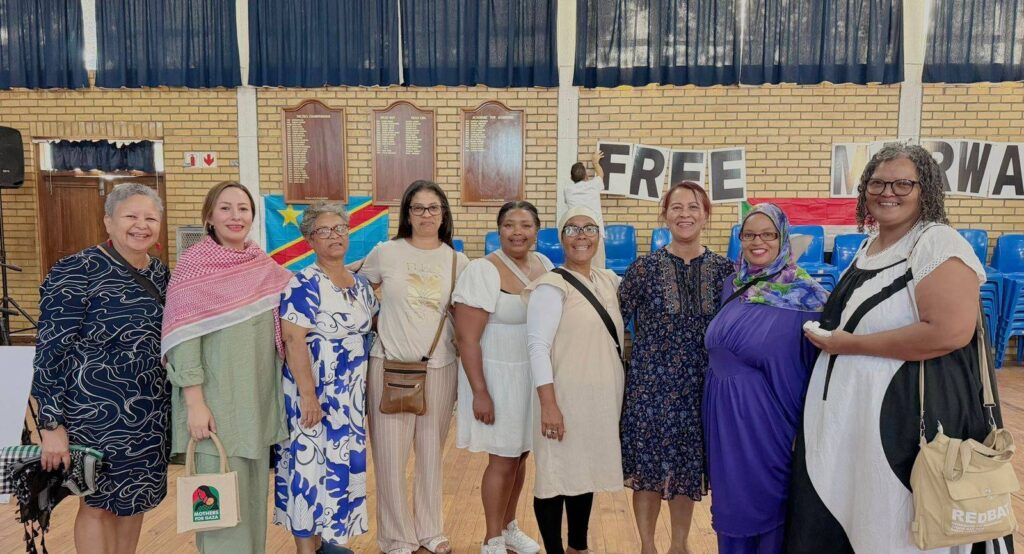
Q: Please present yourself and your organisation.
Henriette : My name is Henriette. I have been involved in the struggle for dignity, justice, and equality since my youth in the 1980s. In 2018, I returned to the basics of building people’s power from the ground up through the Bonteheuwel Development Forum (BDF) and the Women’s Assembly Movement (WAM).
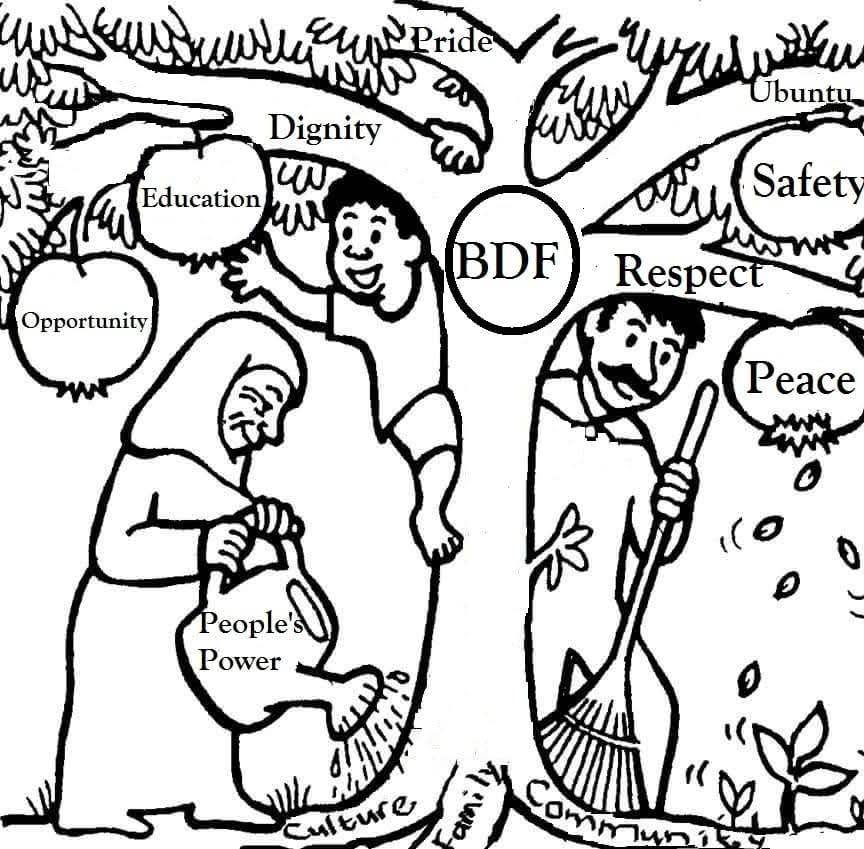
BDF is a grassroots, working-class community organisation based in Bonteheuwel, Cape Town. But BDF is not only an organisation; it is a network of mothers, sisters, daughters, workers, activists, and survivors. We organise collectively as women who are directly impacted by poverty, violence, and systemic neglect.
Our work is rooted in lived experience and in the daily realities of working-class communities. We do not speak as individuals separated from the collective. We speak as part of a broader movement of women organising for survival, dignity, and transformation.
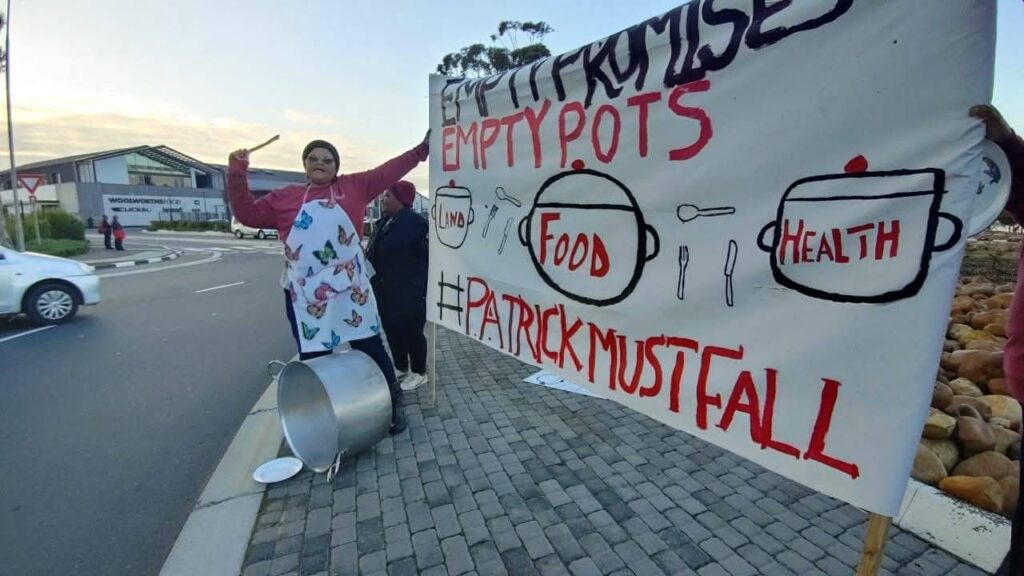
Salaama : My name is Salaama, a community activist with the BDF. I am not separate from the struggle — I live it every day. BDF is made up of women, mothers, and workers from the community, standing together to fight poverty, violence, and inequality. Our strength comes from our people.
Henriette: Many of us entered struggle at a very young age, some as teenagers in the anti apartheid movement, taking up leadership while still in school. That history matters because it shaped how we understand power, resistance, and collective responsibility.
BDF is rooted in street and block committees, meaning ordinary residents organise where they live. Our work is not charity. It is community self organisation in response to systemic neglect. Our vision is about restoring dignity and building safe, healthy communities, but we are clear: poverty, violence, and inequality are not accidents, they are produced by political and economic systems. Out of this work, the Women’s Assembly Movement (WAM) has grown, a space where working class women build political consciousness, leadership, and collective power grounded in lived experience.
Q : Can you give a short overview of the historical context and the situation of society in South Africa today?
Salamaa :
South Africa’s present cannot be understood without its past. It still carries the pain of apartheid.
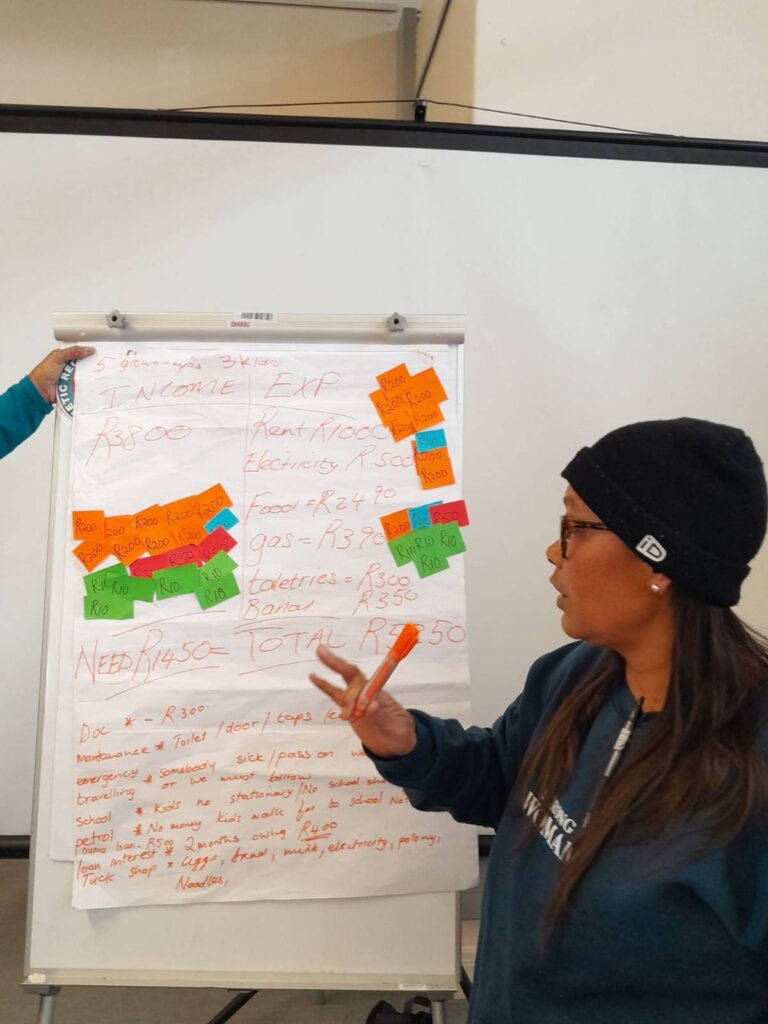
In communities like Bonteheuwel, we are still facing poverty, unemployment, and violence. Women carry most of this burden, yet we continue to stand strong and hold our families and communities together.
Henriette : Apartheid was not only a system of racial segregation; it entrenched deep economic inequality, spatial injustice, and social fragmentation. While apartheid formally ended in 1994, its structural legacy remains. Today, working-class communities continue to face high levels of poverty, unemployment, gender-based violence, and limited access to basic services. Inequality shapes us by race, class, and geography. Women bear the brunt of poverty, as most households are women-led.
Claudine: With high unemployment, women between 36 and 59 years of age fall into a “forgotten middle bridge”; they are too old for learnerships and too young to receive the meagre state pension, which does not cover basic needs. Communities are overcrowded and unsafe, creating conditions that fuel gender based violence, drug trafficking, gangsterism, exploitation, and poor service delivery. Trauma, linked to ongoing violence and historical injustices, remains widespread, yet access to mental health and psychosocial support is limited.
Henriette: globally, we also see rising authoritarianism, militarisation, and economic crises. These forces deepen inequality and disproportionately affect women. Women’s struggles are not isolated. Whether in South Africa, Palestine, Sudan, Congo, or elsewhere, women face similar violations of their rights to equality, dignity, safety, and protection.
Indeed, our reality cannot be understood without apartheid, but also not without what came after. Bonteheuwel exists because of forced removals. Black and so called coloured communities were deliberately displaced, controlled, and economically excluded. That spatial injustice remains intact. What we are living through now is not a break from that system, but its continuation in new forms through unemployment, underdevelopment, violence, and state neglect.
At the same time, we are living in a global moment where inequality is deepening, and where authoritarianism and far right politics are on the rise. Across many countries, we see increasing militarisation, shrinking democratic space, and attacks on the rights of women and marginalised communities. So our struggle is both local and global. The same systems that produced apartheid, racial capitalism, exploitation, and control, continue to shape our lives today.
Q : Your work as BDF is focused on your community. What are the main challenges you are facing and how do you respond to them?
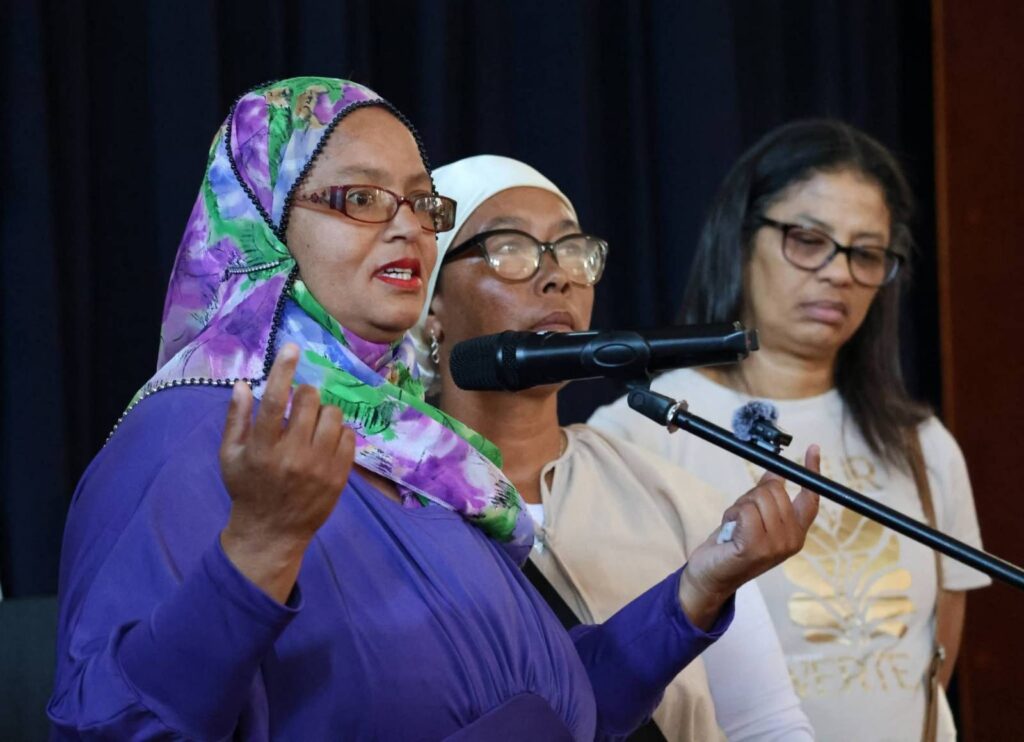
Henriette : Our work responds directly to the realities women and families face every day. The main challenges include safety and violence, especially affecting women and children, food insecurity and poverty, deep psychosocial trauma linked to ongoing violence and historical oppression, limited access to political education and opportunities for community leadership.
Women in our community describe these realities clearly. We have brought some testimonies from them to share with you :
“Children are not safe. They cannot even play freely. Sport should be a space of safety, but even that is affected by violence.” – Akifah
“Sometimes there is no food in the house. As a mother, that breaks you. But we share what we have, even if it is little.” – Salaama
“The trauma we carry is not always visible. But it lives in our bodies, in our homes, in how we relate to each other.” – Michelle
“Although geopolitics may seem distant, the rising cost of fuel and living affects us directly. We, as women, must find alternatives to support our families and communities, carrying the burden of unpaid care work every day.” – Claudine
Salamaa : We face gender-based violence, substance abuse, unemployment, and lack of services. But we don’t stay silent—we organise, we support each other, and we speak out. Our unity is our power.
Henriette : The challenges we face are not single issues, they are systems of violence. We are dealing with gang violence and criminal economies, gender based violence and abuse in homes, hunger and deepening poverty, overcrowding and spatial injustice, trauma carried across generations… But we are clear: this is not community failure. This is structural violence.
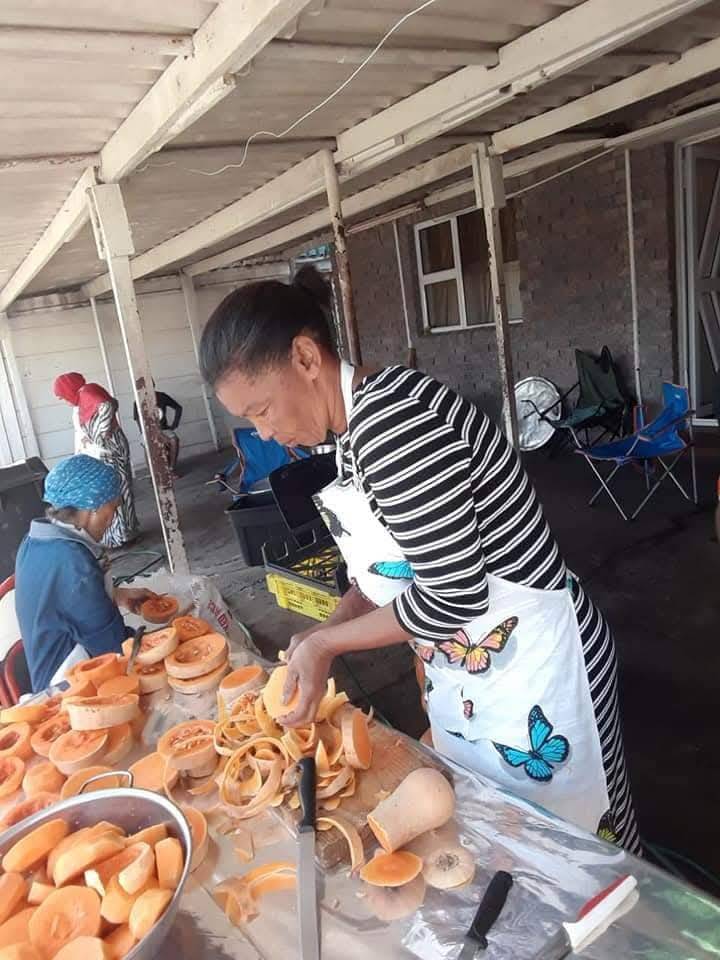
Our response is organised, collective, and rooted in both survival and resistance. We have built feeding schemes, community safety networks, and local health responses. During COVID 19 alone, we supported thousands of households and ran feeding programmes reaching tens of thousands of meals weekly. We organise trauma support and direct interventions for women and children facing violence. We are building food sovereignty through community gardens and local systems of care.
But we are also honest about our limitations. This work requires intense and sustained resources, financial, human, and emotional. Some of our initiatives we have been able to sustain over time, while others we could not, precisely because of the level of capital and support required. We believe in being upfront about this. Grassroots organising is often expected to do the work of the state, without the resources of the state.
Henriette :
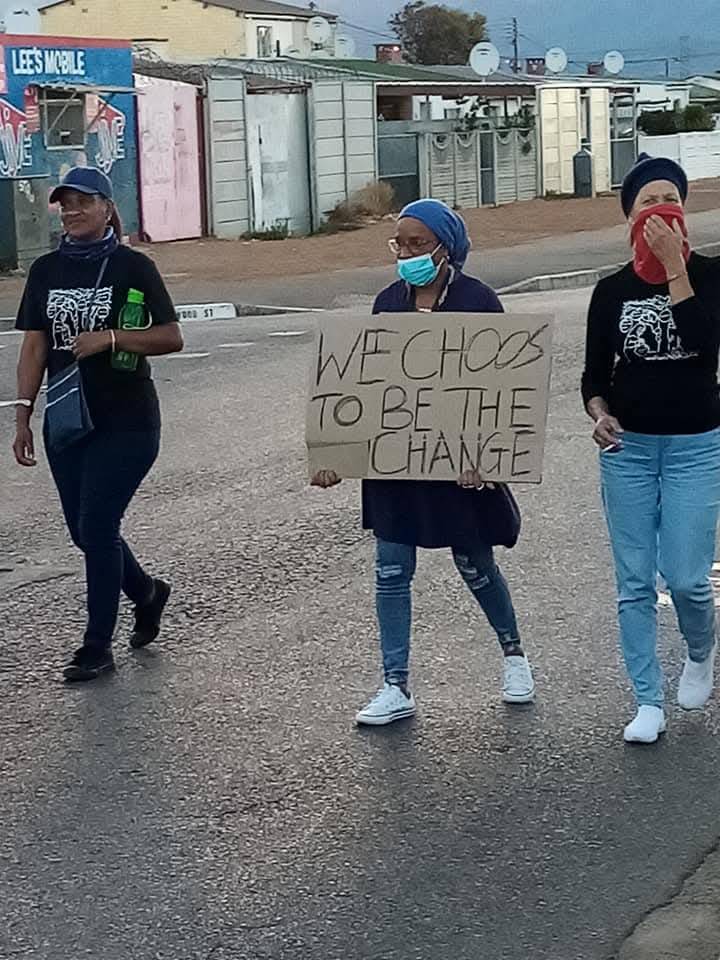
Our responses are practical and political. We organise food support, safe spaces for children, and psychosocial support for women. We create spaces for political education where women analyse their conditions and build collective solutions.
We also face marginalisation because of our ideological position.
Our insistence on people’s alternatives, rooted in socialist principles, often puts us at odds with dominant systems and institutions. Challenging capitalism, patriarchy, and systemic violence comes with consequences.
But this pushback also confirms the importance of our work. We are not here to be comfortable within the system, we are here to challenge and transform it.
Q : BDF is a women-led organisation. What do you mean by that?
Salamaa : Women-led means we are not waiting to be heard—we lead. As women, we carry the community, and we also lead the fight for change. Our voices matter.
Henriette : When we say women-led, we mean that working-class women are at the centre of analysis, decision-making, and action. Leadership is not symbolic; it is lived and practiced.
Women are not only participants; they are organisers, educators, strategists, and community anchors. Our leadership is collective, grounded in accountability to each other and to our communities.
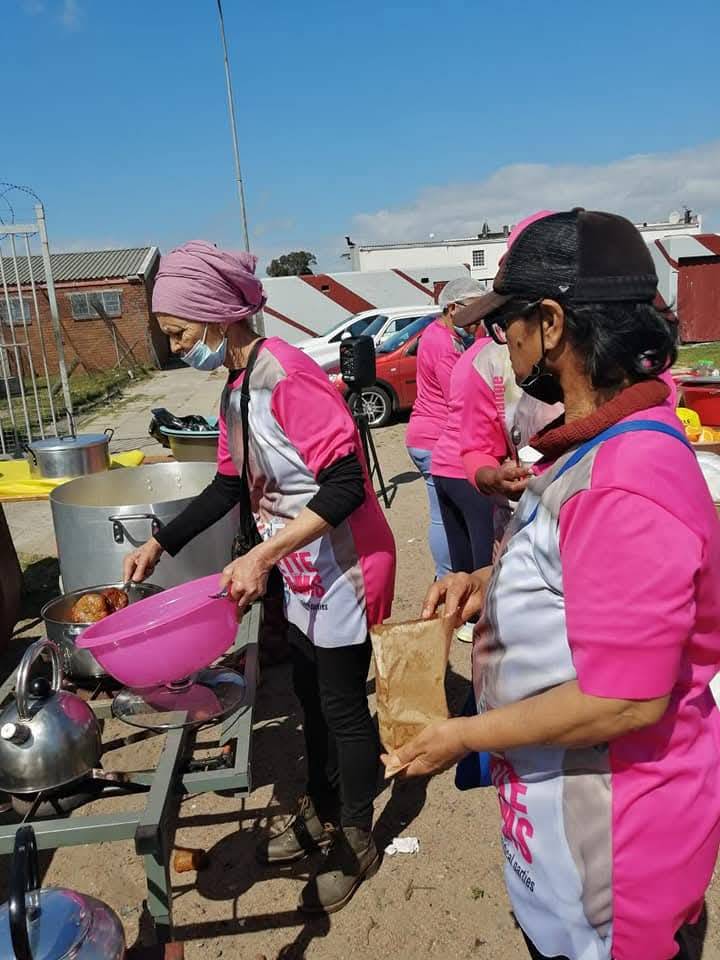
Women carry a disproportionate burden of care, survival, and resistance. They are the caregivers, nurses, teachers, nurturers, and builders of family and community support systems. Budget cuts and economic crises shift even more responsibility onto women, yet this work often goes unrecognised. Their leadership is essential to building just alternatives.
In our organization, working class women are not positioned as victims, we are organisers, leaders, and thinkers. It means we challenge patriarchy not only in society, but within our own movements and communities.
It means we recognise that women’s labour, especially care work, sustains entire communities, yet is systematically devalued. And it means we are building a different kind of leadership: collective, accountable, and rooted in care, not domination.
Feminism, in our context, is not abstract. It is about survival, dignity, and transforming power.
Q : In your experience, what do women have in common worldwide?
Henriette : Across contexts, women share the experience of navigating patriarchy, economic exploitation, and violence. Women often hold families and communities together under extremely difficult conditions. They are caregivers, organisers, and problem-solvers, often without recognition or support. At the same time, women share a deep capacity for resilience, solidarity, and resistance. Women across the Global South continue to organise, resist, and imagine alternatives.
Salamaa :
Women everywhere know struggle, but we also know strength. We fight, we survive, and we care—even when it’s hard. That connection is powerful.
Henriette: Across the world, women are managing survival under systems they did not create. We carry the burden of care in conditions of inequality. We face violence in both private and public spaces. We are excluded from economic power, even while sustaining economies through our labour.
But we also share something else: resistance. From informal settlements to war zones, from rural communities to urban townships, women organise. Women build. Women resist. There is a shared understanding that survival is not enough. We are fighting for justice.
Q : From your perspective, what are the necessary next steps to strengthen women’s struggles locally and globally?
Salamaa :
We must unite more, support each other, and build strong women leaders—especially young women. When women rise, communities rise.
Henriette : There are a lot of things ahead of us we need to do : deepen grassroots organising in working-class communities, ensuring women have access to political education, resources, and spaces to lead , strengthen psychosocial support, recognising that trauma is both personal and political, build sustainable systems of food security and community care that are not dependent on unstable external funding …
And especially, we need to confront the systems that produce inequality: capitalism, patriarchy, and imperialism ! This is about building concrete alternatives that centre dignity, equity, and collective wellbeing.
We are at a critical moment. The rise of authoritarianism, militarisation, and right wing politics globally is not separate from the conditions we face locally. These forces are interconnected, and they are intensifying. So our response must also be coordinated and intentional.
We need stronger grassroots organising rooted in communities political education that names and challenges patriarchy, capitalism, and imperialism investment in healing and psychosocial support, community controlled economic alternatives, including food systems and organised solidarity across borders. This also requires political courage, because movements that challenge capitalism, patriarchy, and imperialism will not always be supported, and are often deliberately marginalised.
Q : Why should women organise internationally?
Henriette : Because our struggles are connected. The conditions in working-class communities in South Africa are linked to global systems of exploitation and inequality. Corporate and political elites operate across borders, and so must our resistance.
International organising allows women to share strategies, build solidarity, and strengthen collective power.
At a time when authoritarian and fascist forces are growing globally, women must organise across all fronts. Unity is not optional; it is necessary for survival and transformation.
Salamaa : We are not alone. Our struggles are connected, and together our voices are stronger. Solidarity gives us hope.
It is the BDF’s view that the systems we are fighting are global systems. Imperialism, economic exploitation, and militarisation operate across borders. The same forces that extract from the Global South, that fuel wars, and that deepen inequality are shaping all our realities. At the same time, we are seeing the global rise of fascist and authoritarian politics targeting migrants, women, LGBTQ+ people, and the poor.
Women organising internationally allows us to defend gains that are under threat and push back against systems that are coordinated at a global level.
Solidarity must move beyond statements. It must become organised, practical, and sustained.
Q : Which examples of women’s struggles inspire you?
Henriette : We draw strength from many struggles across the Global South and beyond, from liberation movements to communities under occupation, war, or economic crisis. But we are also inspired by the women in our own communities: we see women who organise food kitchens with almost nothing, who create safe spaces for children in violent environments, who continue to show up, even when exhausted.
As one of the organizers, Michelle, shared: “We don’t give up because we can’t afford to. Our children are watching us.” These are acts of resistance and survival. They remind us that building people’s power starts where we are, with what we have, and with each other.
We draw strength from women organising in some of the most difficult conditions : women in Palestine resisting occupation and genocide, in Sudan and Congo organising under war and displacement, women in Rojava building alternatives, women-led systems of governance, and the women in Cuba sustaining social systems under blockade.
These struggles are not isolated. They are connected through shared systems of oppression and shared resistance. We also draw strength from our own history, from the women of the anti-apartheid struggle, many of whom organised as young, working class women under repression. They remind us that even under the most difficult conditions, organised people can resist and build alternatives.
Salamaa :
The strength of women before us, like the Women’s March of 1956*, inspires me. But also the everyday women in my community—who keep going no matter what. That is where my strength comes from.
On 9 August 1956, thousands of South Africa women staged a march on the Union Buildings of Pretoria to protest against apartheid. The 1956 Women’s March played a vital role in the women becoming more visible participants in the anti-apartheid struggle.